HVAC services play a vital role in maintaining comfort, safety, and efficiency in both residential and commercial spaces. Reliable heating, cooling, and ventilation systems help regulate indoor temperatures, support healthy air quality, and contribute to overall energy performance. When handled by trained professionals, these systems deliver consistent comfort while operating at optimal efficiency throughout the year.
Professional HVAC services encompass system design, installation, maintenance, repairs, and performance upgrades. Working with a qualified provider ensures that each component functions together properly, reducing unexpected breakdowns and extending system lifespan. This expertise becomes especially important as property owners seek dependable solutions that balance comfort, efficiency, and long-term value.
As energy standards evolve and sustainability becomes a priority, HVAC services are increasingly focused on efficiency improvements and system optimization. Understanding what to expect from professional providers allows homeowners and businesses to make informed decisions that support comfort, reliability, and responsible energy use.
Understanding Modern HVAC System Fundamentals
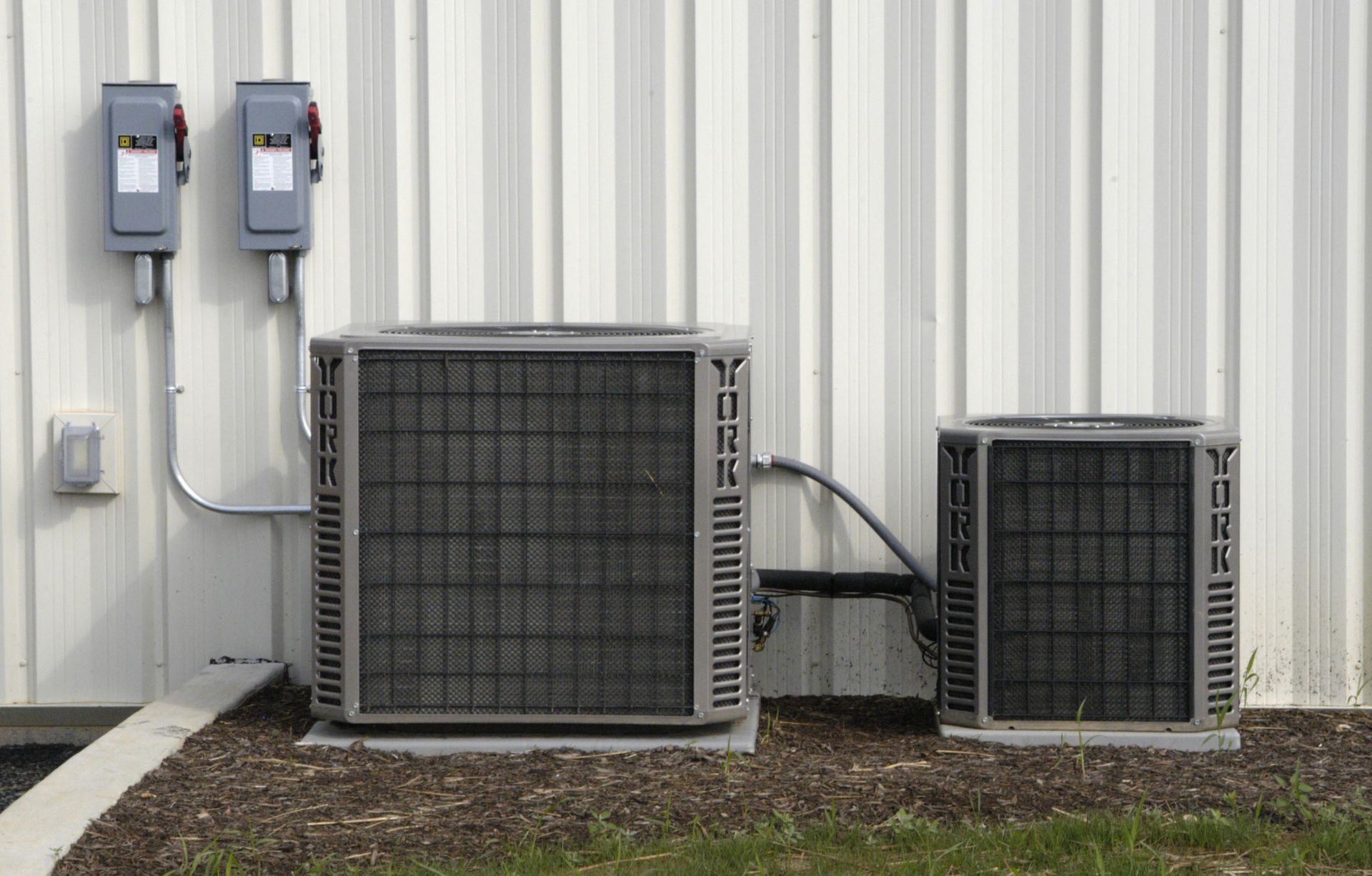
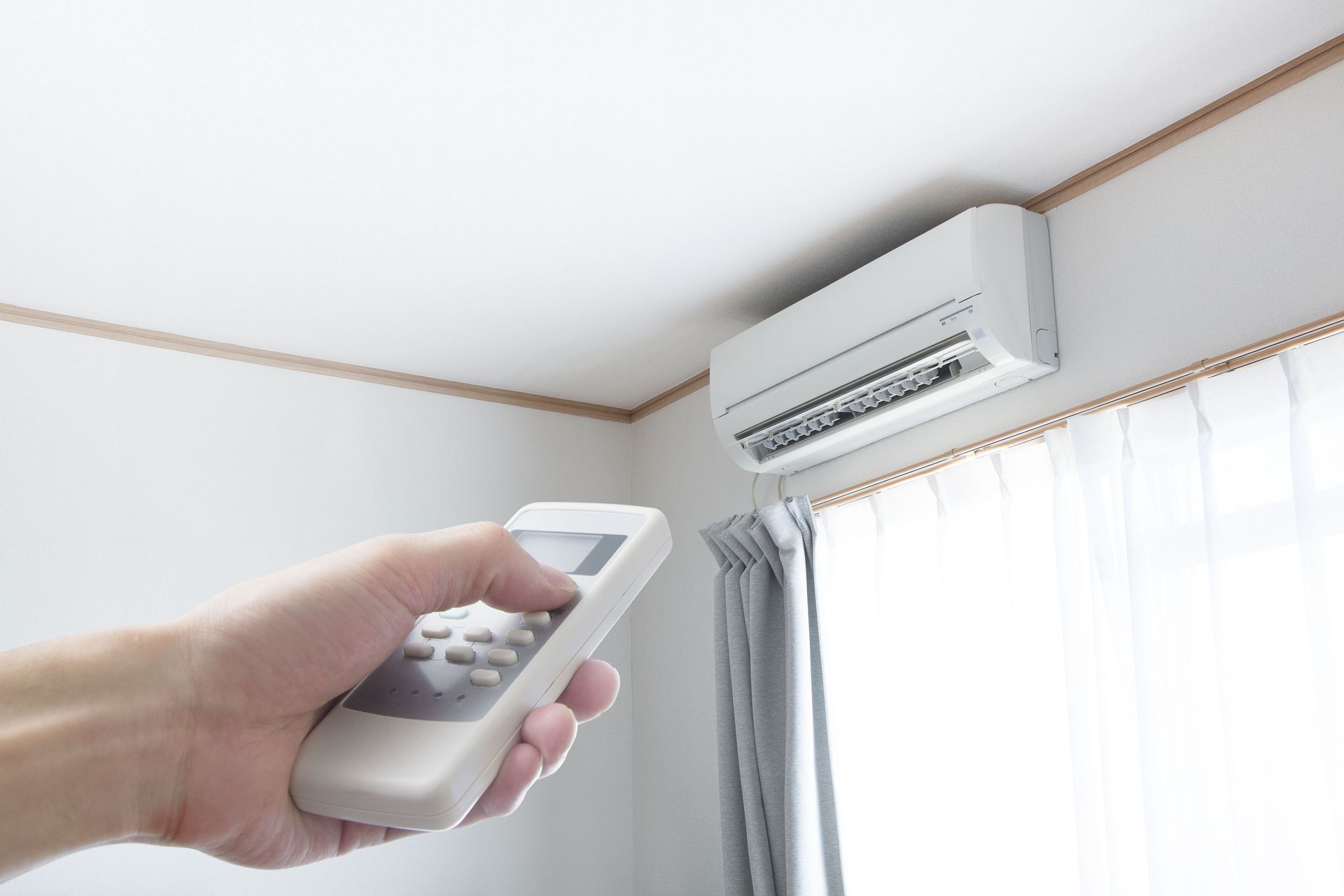
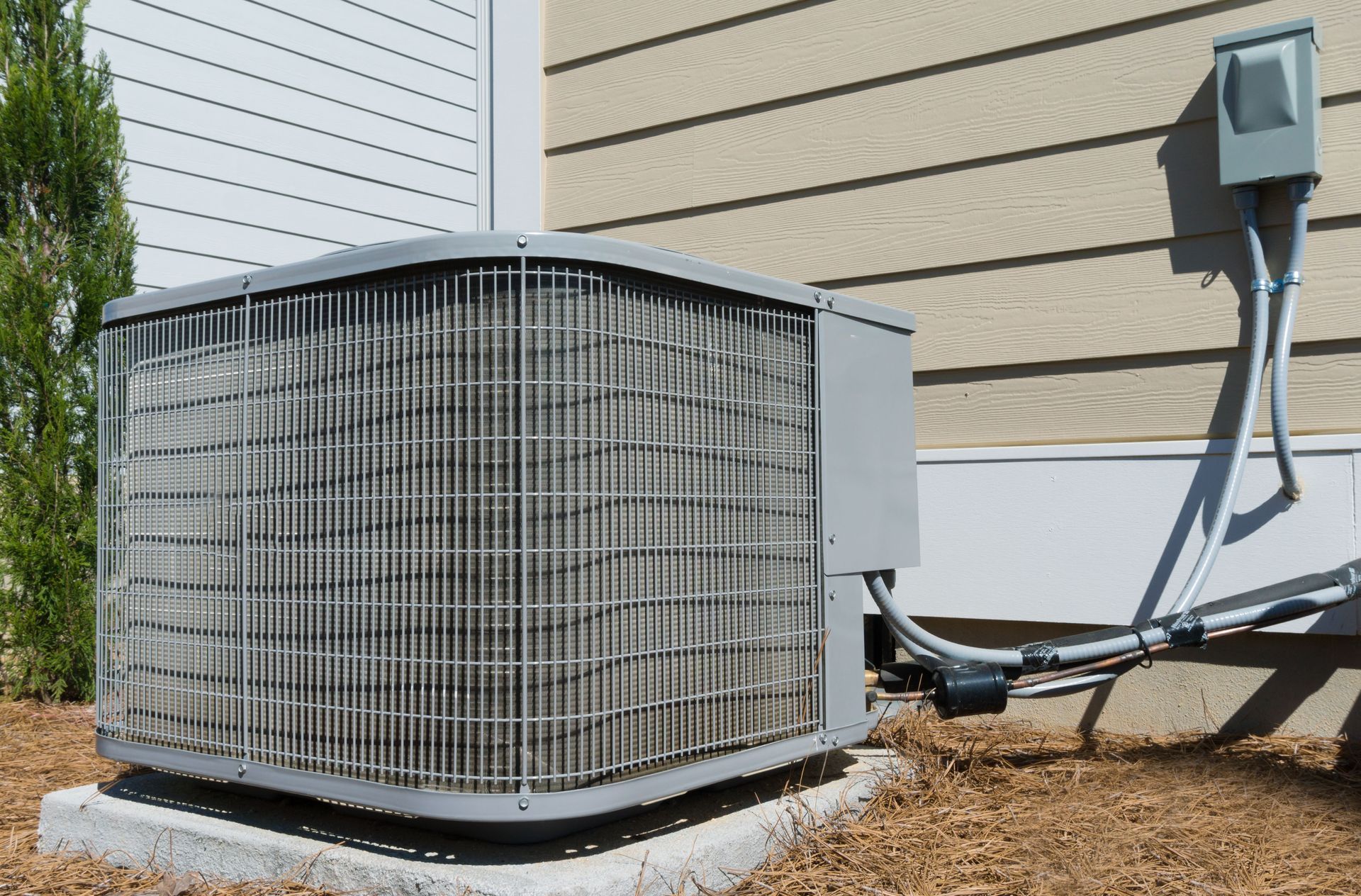
HVAC systems consist of interconnected components that work together to heat, cool, and ventilate indoor spaces. These components typically include furnaces or heat pumps, air conditioners, ductwork, air handlers, and thermostats. Each part plays a specific role in delivering consistent indoor comfort across varying seasons and weather conditions.
Heating components generate and distribute warm air during colder months, while cooling systems remove heat and humidity during warmer periods. Ventilation ensures fresh air circulation, helping remove pollutants and maintain healthy indoor air quality. Professional HVAC services ensure these elements operate cohesively rather than independently.
A well-designed HVAC system relies on proper sizing, configuration, and maintenance. When systems are professionally evaluated and serviced, they operate more efficiently, respond accurately to temperature demands, and maintain steady performance year after year.
How HVAC Systems Support Indoor Air Quality
Indoor air quality has a direct impact on comfort, productivity, and overall well-being. HVAC systems play a critical role by filtering airborne particles, regulating humidity levels, and facilitating fresh air exchange. When systems are maintained correctly, they help reduce allergens, dust, and other pollutants.
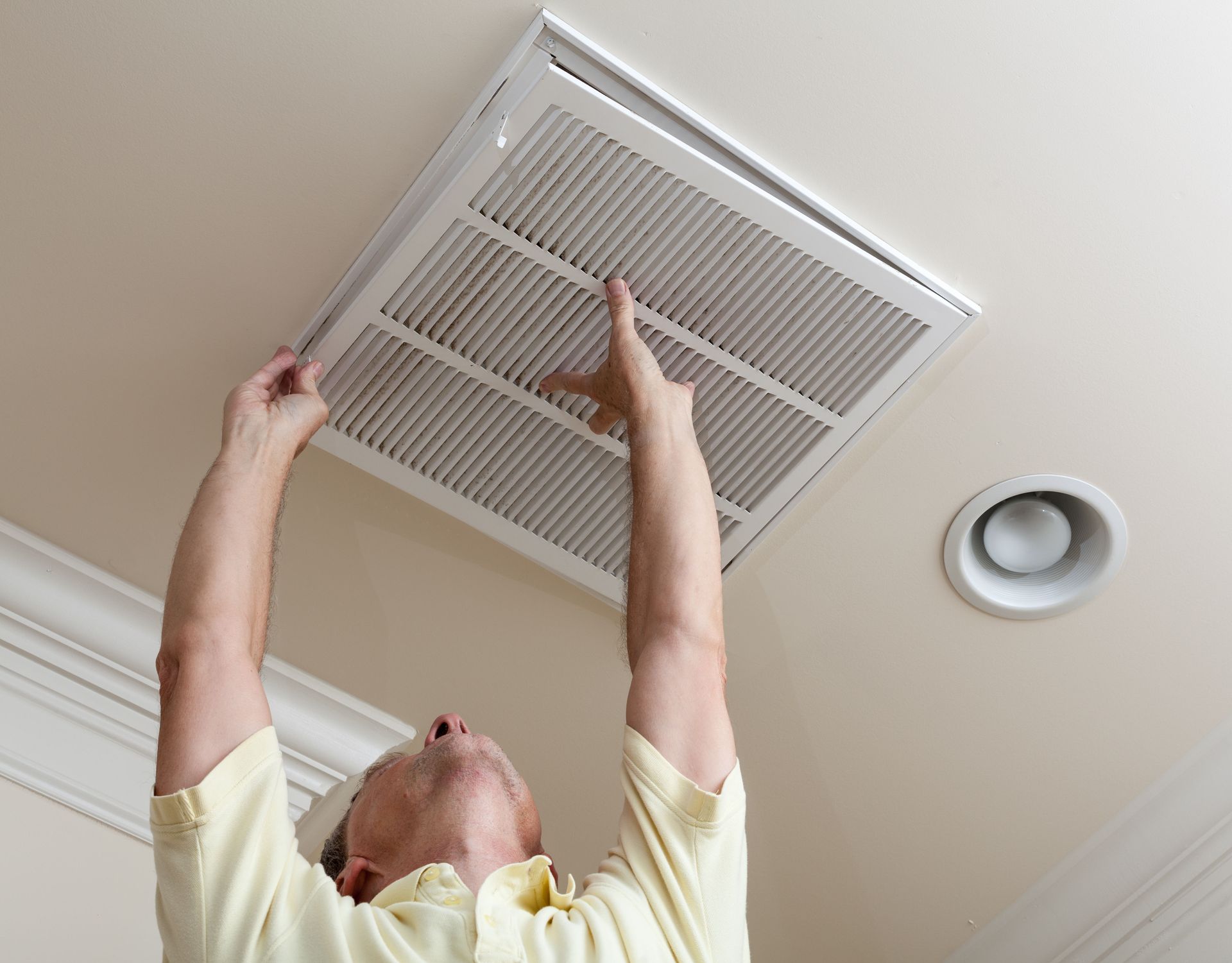
Professional HVAC services focus on keeping filters clean, airflow balanced, and ventilation functioning as designed. Without regular attention, clogged filters and neglected components can circulate contaminants rather than remove them. Skilled technicians help prevent these issues through routine inspections and targeted maintenance.
Enhanced indoor air quality is especially important in homes and workplaces where occupants spend extended periods indoors. Professional providers may recommend advanced filtration systems or humidity control solutions that further improve comfort and health.
The Importance of Energy Efficiency in HVAC Systems
Energy efficiency is a defining benefit of modern HVAC systems, and professional service plays a major role in achieving it. Efficient systems consume less electricity while delivering consistent heating and cooling performance. This results in lower utility costs and reduced strain on electrical infrastructure.
According to Elektrek, modernizing inefficient residential systems has the potential to reduce overall household electricity use by roughly eight percent while cutting close to fifty million tons of carbon dioxide emissions each year. This data highlights how professional HVAC services contribute not only to comfort, but also to meaningful environmental improvements.
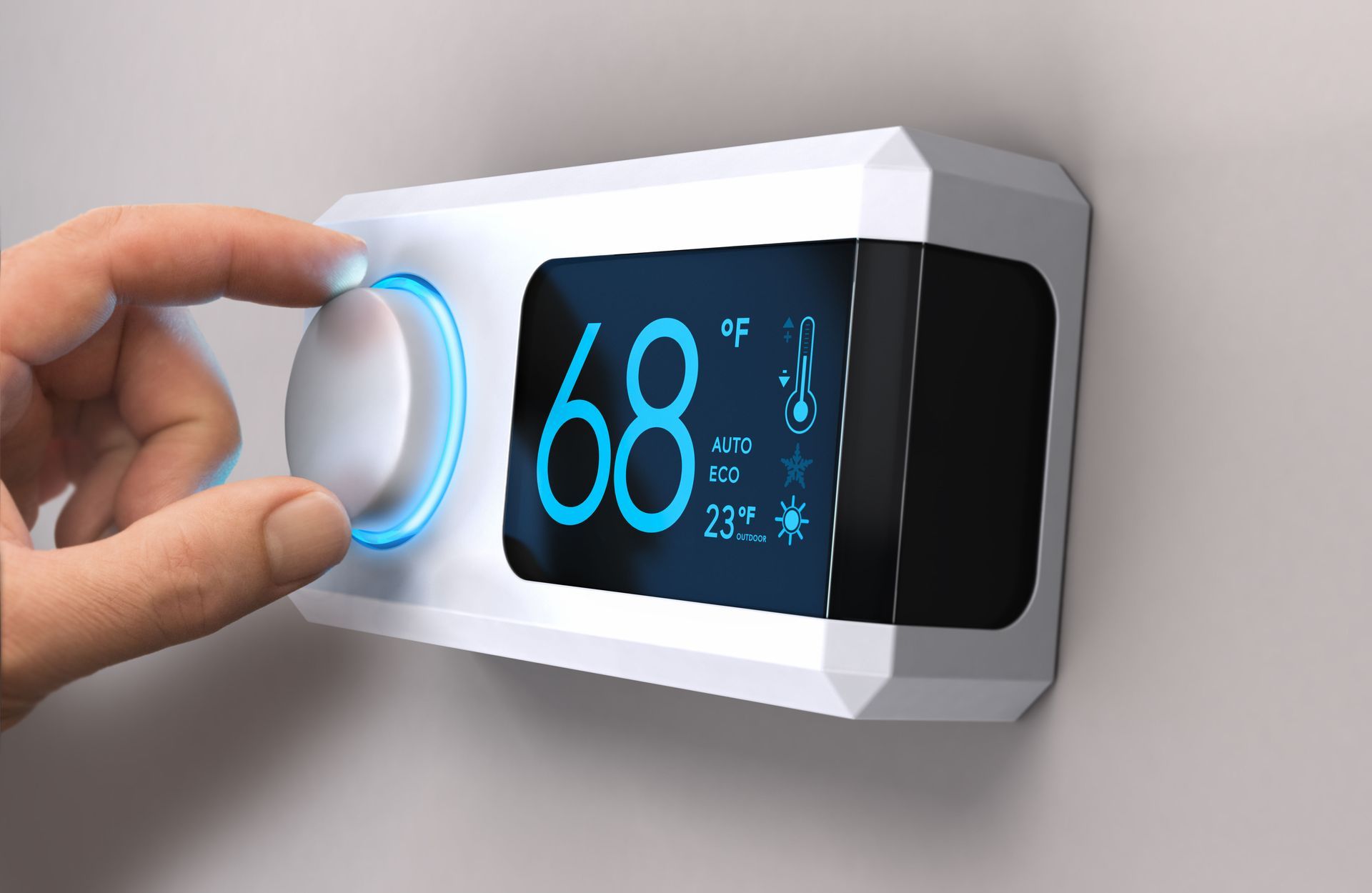
Technicians help homeowners improve efficiency by recommending properly sized systems, high-efficiency equipment, smart thermostats, and zoning strategies. These improvements work together to ensure energy is used only when and where it is needed.
The Initial Consultation and System Evaluation Process
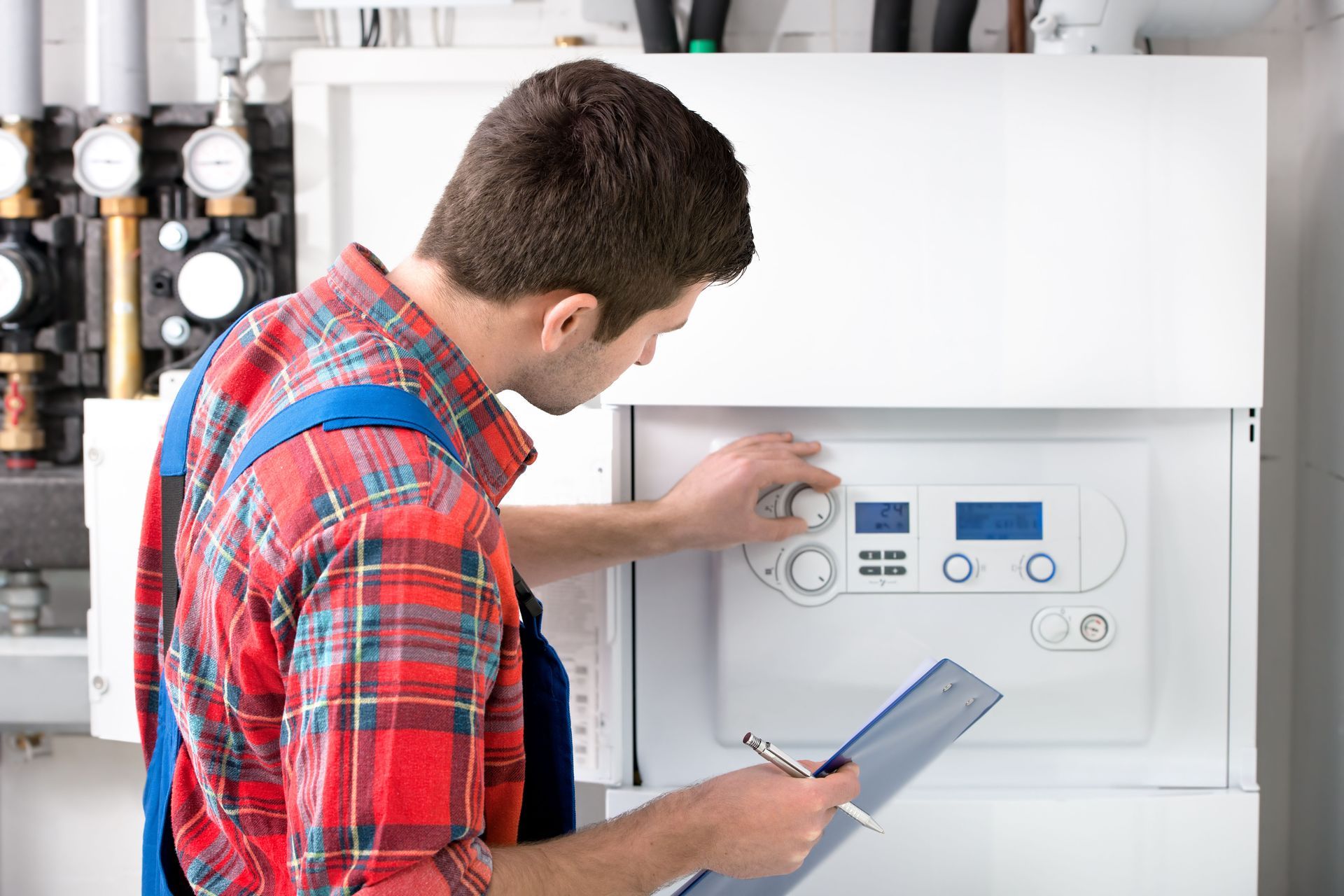
The first step in professional HVAC services is a detailed consultation and system assessment. During this visit, technicians evaluate existing equipment, ductwork, and airflow patterns while discussing the property’s comfort goals. This assessment provides the foundation for accurate recommendations.
Professionals gather information about system age, performance concerns, energy usage, and comfort inconsistencies. Property owners are encouraged to share observations, such as uneven temperatures or rising energy bills, to help guide the evaluation process.
This collaborative approach allows HVAC services to be tailored to the specific needs of the property, ensuring solutions are practical, effective, and aligned with long-term comfort objectives.
Identifying System Needs and Upgrade Opportunities
After evaluating the system, professionals identify areas where improvements may be beneficial. In some cases, minor adjustments or component replacements can significantly enhance performance. In others, upgrading outdated equipment may offer substantial efficiency gains.
Professional HVAC services prioritize solutions that improve reliability and comfort without unnecessary expense. Recommendations are based on system condition, efficiency benchmarks, and expected performance outcomes rather than generic upgrades.
By clearly outlining options and explaining their benefits, providers help clients make informed decisions that align with both comfort goals and budget considerations.
Clear Cost Estimates and Project Timelines
Transparency is a cornerstone of professional HVAC services. After the evaluation phase, clients receive a clear explanation of recommended work, associated costs, and expected timelines. This clarity allows property owners to plan confidently and avoid unexpected disruptions.
Accurate timelines consider equipment availability, installation complexity, and any potential impacts on daily operations. Professionals strive to minimize downtime while maintaining high standards of workmanship.
This structured approach builds trust and ensures that HVAC projects proceed smoothly from start to finish.
Professional HVAC Installation Best Practices
Proper installation is essential to system performance, efficiency, and longevity. Professional HVAC services follow industry standards to ensure equipment is positioned correctly, connected securely, and calibrated precisely.
Technicians account for airflow requirements, load calculations, and building layout to ensure the system operates as designed. Attention to detail during installation prevents future issues such as uneven temperatures or excessive energy consumption.
When installation is handled by experienced professionals, property owners benefit from reliable operation and consistent comfort from day one.
System Testing and Performance Verification
Once installation is complete, HVAC services include comprehensive testing and validation. Technicians measure airflow, check temperature output, and confirm that all components function together properly.
Performance verification ensures the system meets efficiency standards and responds accurately to thermostat settings. Any adjustments needed are made immediately to optimize operation.
This final step provides confidence that the system is delivering the comfort, efficiency, and reliability expected from professional HVAC services.
Routine HVAC Maintenance and Ongoing Care
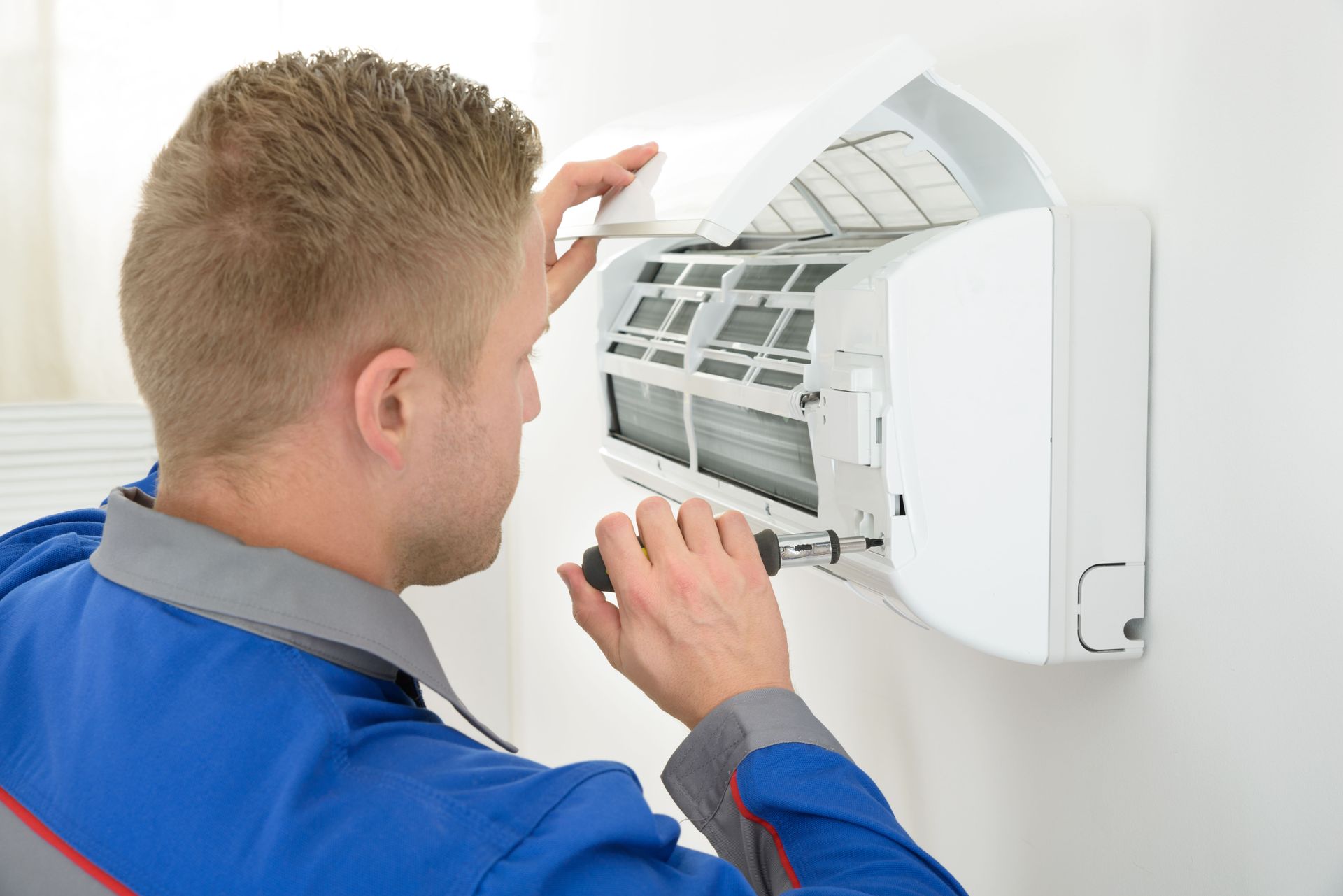
Regular maintenance is essential for preserving system performance and preventing unexpected failures. Professional HVAC services include scheduled inspections, cleaning, and adjustments that keep equipment operating efficiently.
Maintenance tasks such as filter replacement, coil cleaning, and electrical inspections reduce wear and improve energy performance. These services also help identify potential issues before they escalate into costly repairs.
Consistent professional maintenance extends equipment lifespan and ensures dependable comfort throughout the year.
Addressing Repairs and Performance Issues Promptly
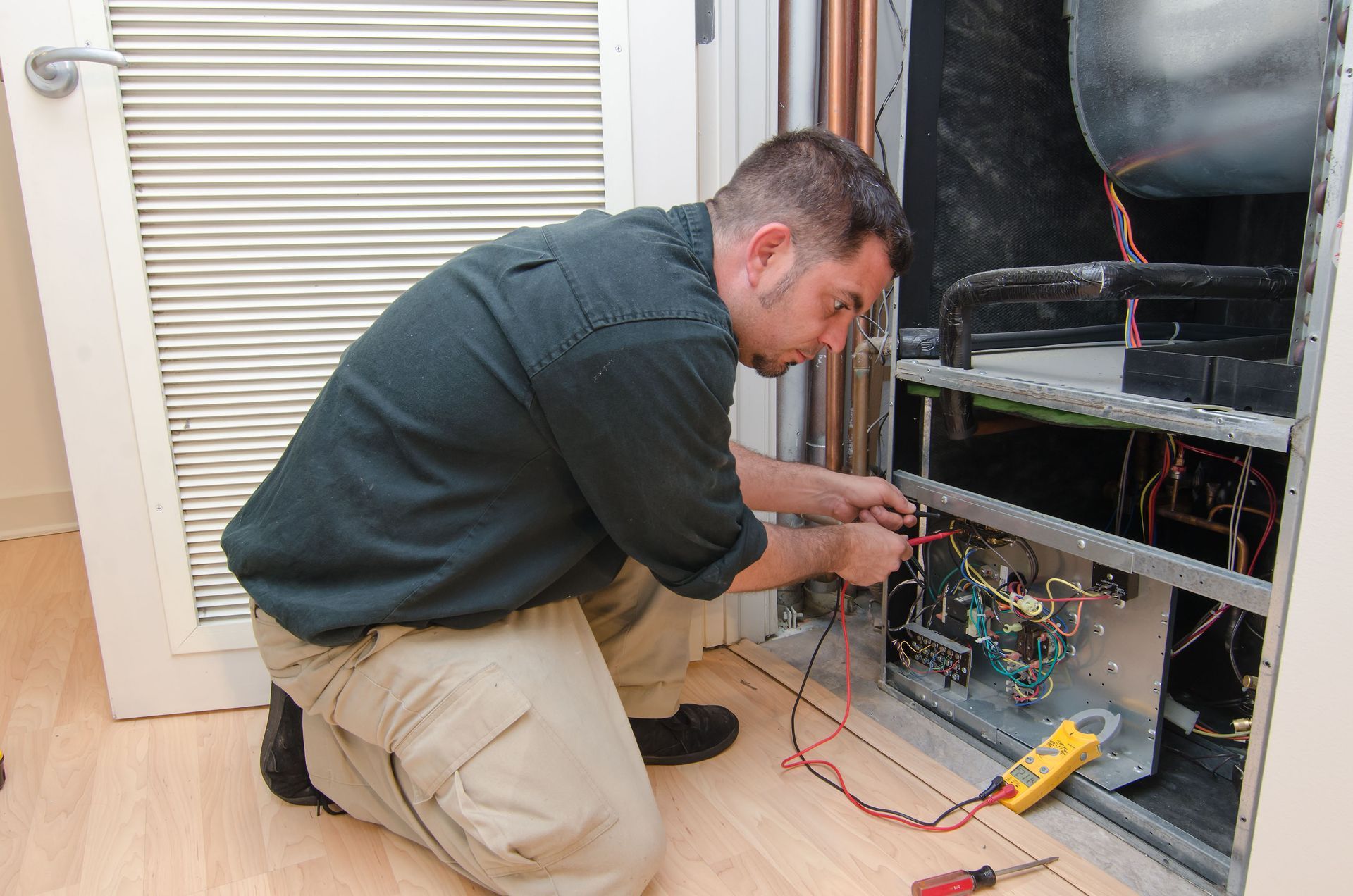
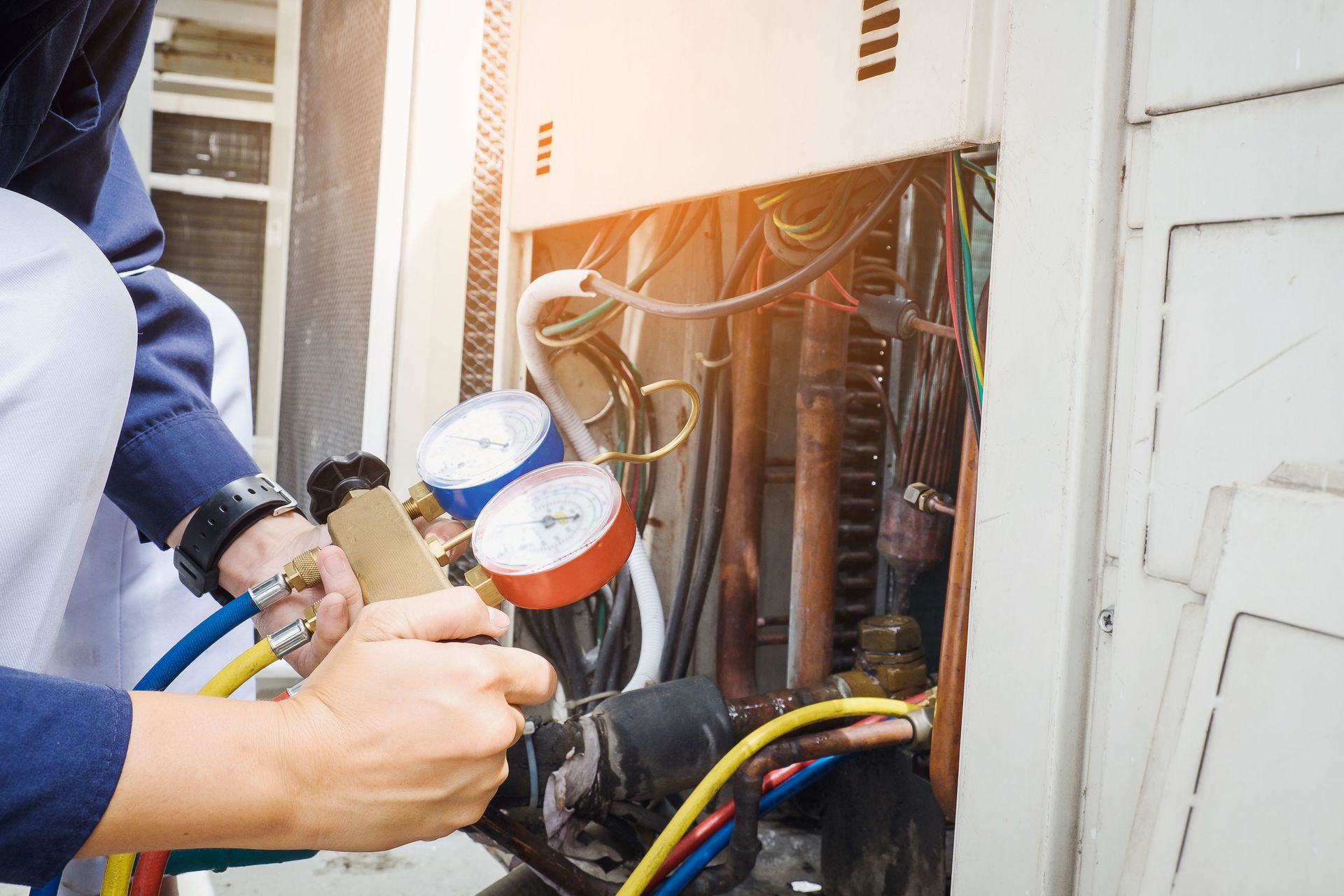
Even well-maintained systems may occasionally require repairs. Professional HVAC services provide timely diagnostics and effective solutions when issues arise. Common concerns such as airflow problems, thermostat malfunctions, or unusual noises are addressed quickly and accurately.
Prompt repairs restore system performance and prevent further damage. Experienced technicians use proven diagnostic tools to identify root causes rather than applying temporary fixes.
This proactive approach minimizes downtime and helps maintain a comfortable indoor environment regardless of external conditions.
Customer Education and Long-Term System Value
Professional HVAC services also include educating customers on system operation and basic care. Understanding thermostat settings, filter schedules, and warning signs empowers property owners to support system performance between service visits.
Technicians provide guidance on energy-saving practices and usage habits that complement professional maintenance. This shared responsibility helps maximize efficiency and comfort over time.
By combining expert service with informed ownership, HVAC systems deliver long-term value and dependable performance.
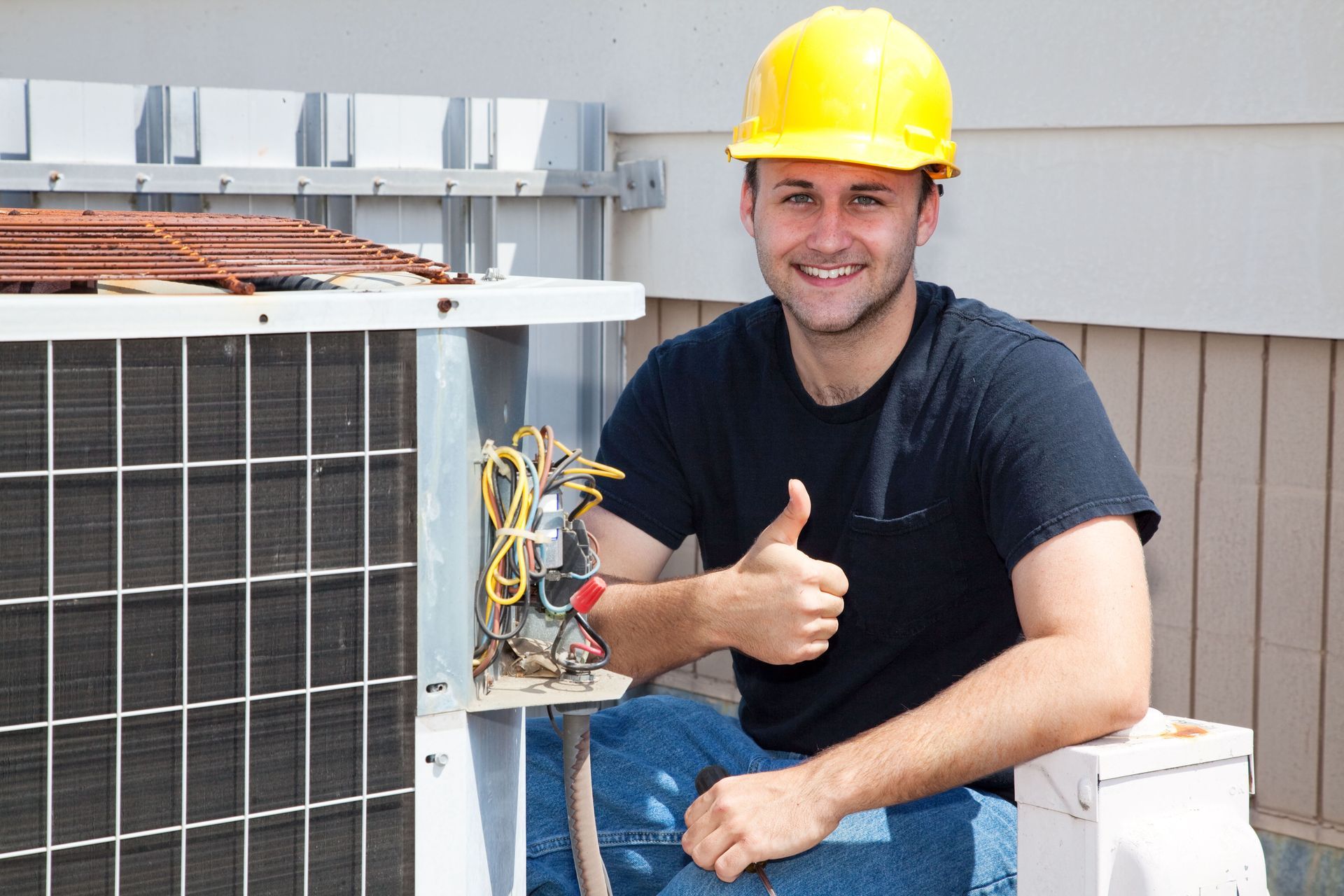
Professional HVAC services provide far more than heating and cooling support. They deliver expertise, reliability, energy efficiency, and peace of mind through every stage of system ownership. From initial consultation and installation to ongoing maintenance and repairs, qualified providers ensure systems operate at their best.
By partnering with a trusted professional, homeowners and businesses gain consistent comfort, improved air quality, and reduced energy consumption. For dependable service, expert guidance, and long-term HVAC performance, contact 1 Degree HVAC today.







Share On: