
Choosing the right mini split AC can feel overwhelming, especially when every option promises better comfort, lower energy bills, and smarter performance. The truth is, not every system is built the same, and the right fit depends on how well it aligns with your home, habits, and expectations. Taking a little extra time upfront to understand key features can prevent costly mistakes later.
A reliable AC company can guide you through the process, but it still helps to know what matters most before you start comparing systems. From efficiency ratings to air quality features, each component plays a role in how your system performs day to day. This guide breaks down the most important features to help you make a confident, informed decision.
1. Prioritizing Energy Efficiency and Performance
Energy efficiency is often the first thing homeowners consider, and for good reason. A more efficient system doesn’t just reduce your monthly utility bills—it also minimizes long-term environmental impact. When comparing systems, the Seasonal Energy Efficiency Ratio (SEER) is a key benchmark to watch.
Industry insights suggest that most mini split systems fall within a mid-to-high efficiency range, and according to Today’s Homeowner, many operate within a SEER range of roughly 16 to 25, with higher numbers reflecting stronger efficiency. That range gives you a useful baseline when evaluating different models. Choosing a unit on the higher end can lead to noticeable savings over time, especially in warmer climates.
Beyond SEER ratings, inverter technology makes a major difference in performance. Instead of turning on and off repeatedly, inverter-driven systems adjust output in real time to maintain consistent temperatures. A knowledgeable AC company can help you identify models that balance efficiency with performance, ensuring you’re not overpaying for features you don’t need.
2. Matching Capacity and Sizing for Your Space
Getting the right size system is just as important as choosing an efficient one. If a unit is too small, it will struggle to maintain comfortable temperatures. If it’s too large, it may cycle too frequently, wasting energy and reducing overall lifespan.
Capacity is typically measured in BTUs, and determining the right level depends on several factors. Room size, ceiling height, insulation quality, and even sun exposure all play a role in how much heating or cooling power you need. This is where working with an experienced AC company can make a difference, as proper load calculations ensure the system is tailored to your space.
Mini split systems also stand out for their zoning capabilities. Multi-zone setups allow you to control temperatures independently in different rooms, which is ideal for households with varying comfort preferences. Whether you’re cooling a single room or an entire home, proper sizing ensures consistent performance without unnecessary strain on the system.
3. Simplifying Installation and Maintenance Planning
Installation may not be the most exciting part of the process, but it can significantly impact your overall experience. Some mini split systems are designed for quick and straightforward installation, while others require more complex setups that increase labor costs and timelines.
Wall-mounted units are the most common choice due to their simplicity and accessibility. However, ceiling cassette systems offer a more discreet look, especially in modern or design-focused spaces. Choosing the right installation style depends on both functionality and aesthetics, so it’s worth considering how the unit will fit into your environment.
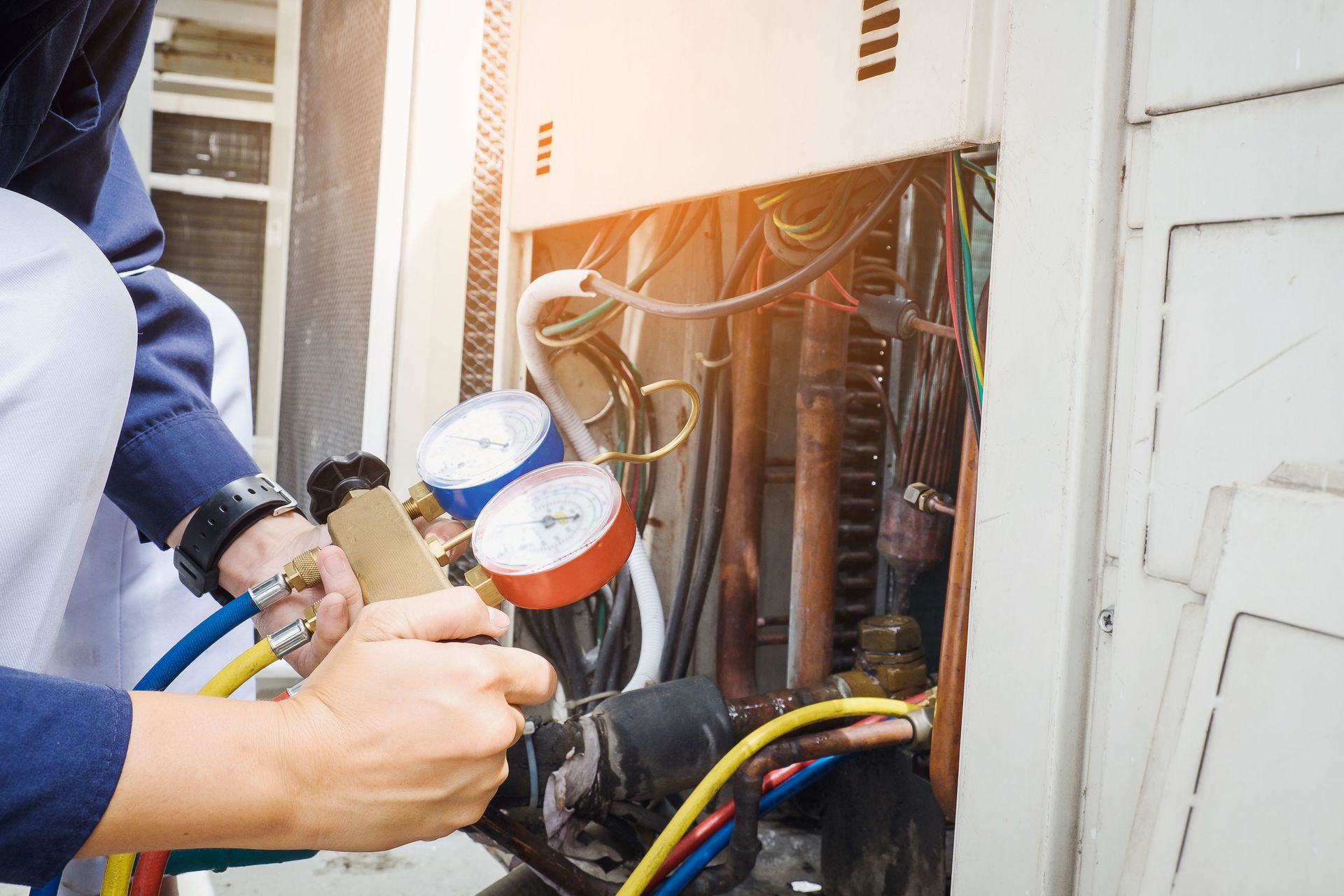
Maintenance is another critical factor that often gets overlooked. Routine tasks like cleaning filters and checking connections help keep the system running efficiently and extend its lifespan. Partnering with a trusted AC company ensures you have ongoing support for maintenance and service, which can prevent small issues from turning into major repairs.
4. Minimizing Noise and Enhancing Comfort
One of the biggest advantages of mini split systems is their quiet operation. Unlike traditional HVAC systems, which can be noisy and disruptive, mini splits are designed to run smoothly in the background.
Indoor units typically operate at low decibel levels, making them ideal for bedrooms, home offices, and living areas where noise can be distracting. When comparing models, it’s helpful to review manufacturer specifications and real-world feedback to understand how quiet a unit truly is during operation.
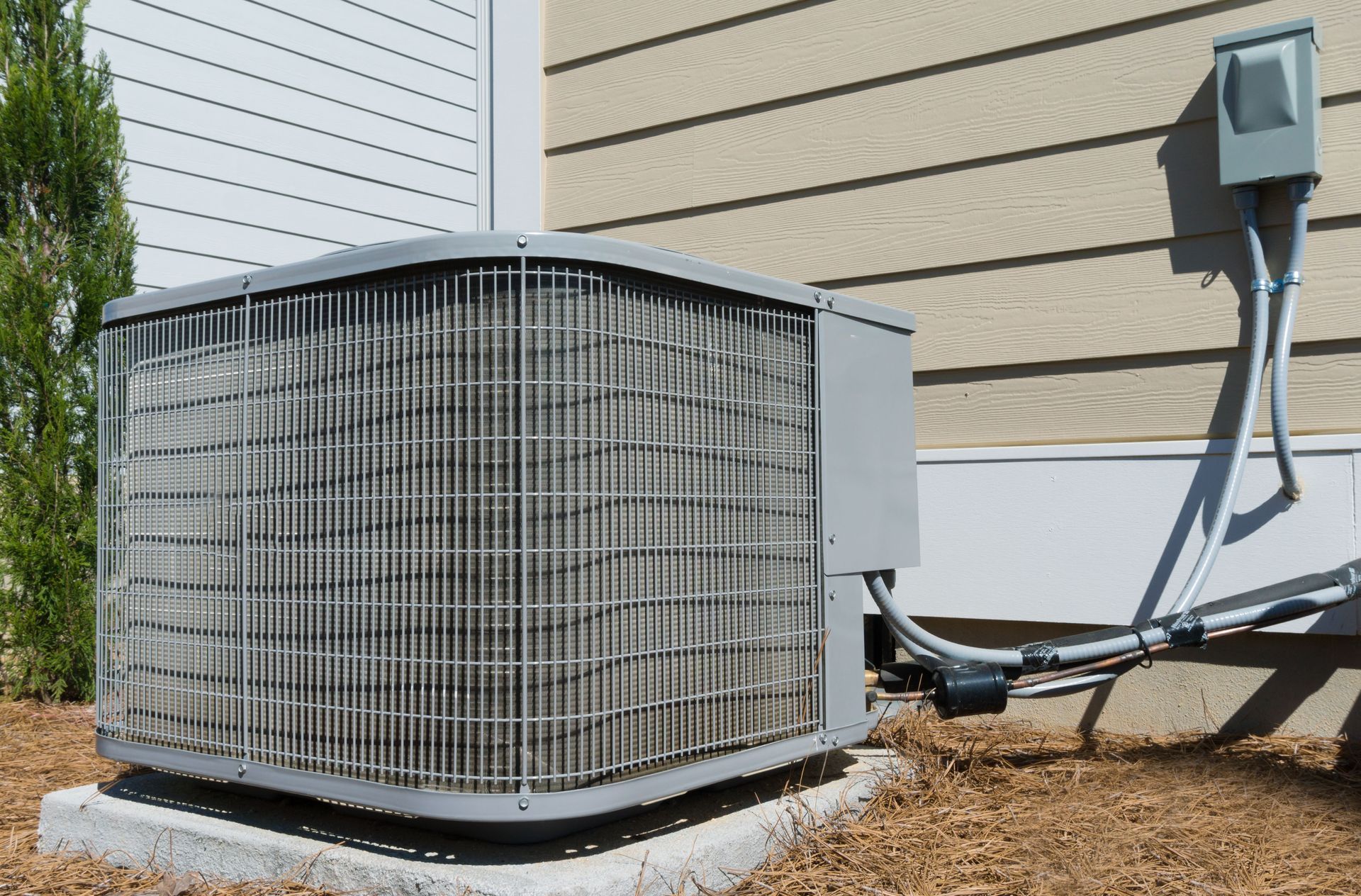
Outdoor units also play a role in overall noise levels, especially if you live in a densely populated area. Advances in technology, including improved fan designs and sound insulation, have made modern systems much quieter than older models. A professional AC company can help you select and position your system to minimize noise both inside and outside your home.
5. Improving Air Quality and Filtration Features
Comfort isn’t just about temperature—it’s also about the quality of the air you breathe. Many mini split systems now include advanced filtration features that go beyond basic dust removal.
High-quality filters can capture allergens, pet dander, and even odors, making a noticeable difference in indoor air quality. Some systems also include additional technologies like ionizers or UV purification, which help reduce airborne contaminants. These features are especially valuable for households with allergies or respiratory concerns.
Humidity control is another important component. Excess moisture can lead to mold growth, while overly dry air can cause discomfort. Mini splits with built-in dehumidification help maintain balanced humidity levels, creating a more comfortable and healthier environment. Consulting with an AC company can help you prioritize the right air quality features based on your specific needs.
6. Evaluating Cost and Long-Term Value
Cost is always a factor, but it’s important to look beyond the initial price tag. A lower upfront cost doesn’t always mean better value, especially if the system is less efficient or requires frequent repairs.
The total investment includes equipment, installation, and ongoing operating costs. Higher-end models may cost more initially, but they often deliver better efficiency and durability, which can lead to savings over time. It’s also worth exploring rebates or incentives for energy-efficient systems, which can offset some of the upfront expense.
Financing options can make higher-quality systems more accessible, allowing you to spread the cost over time. A reputable AC company can walk you through available options and help you find a solution that fits your budget without sacrificing performance.
7. Considering Warranty, Support, and Longevity
A strong warranty protects your investment by covering parts, labor, and sometimes even service calls for a defined period, reducing the risk of unexpected repair costs. Pay attention not just to the length of the warranty but also to what it covers—some warranties only cover major components, while others provide full system protection.
Equally important is access to reliable professional support. Partnering with an AC company that offers prompt service, routine maintenance, and troubleshooting ensures your system continues running efficiently for years. Regular check-ins and preventive maintenance can prevent small issues, such as refrigerant leaks or worn-out components, from becoming costly problems later.
By evaluating warranty coverage, professional support, and overall system durability together, homeowners can make a more informed decision that balances cost, reliability, and performance. Taking the time to research these factors ensures you select a system that continues to deliver value well beyond the installation day.
Choosing a mini split AC is about more than just picking a brand or model—it’s about finding a system that fits your space, lifestyle, and long-term goals. From energy efficiency and proper sizing to air quality and ongoing support, each feature plays a role in how well your system performs over time.
Taking a thoughtful approach to these considerations helps you avoid common pitfalls and ensures you get the most value from your investment. With the right guidance, routine maintenance, and a clear understanding of what to look for, you can create a more comfortable, efficient, and reliable indoor environment. For expert guidance and professional installation you can trust, contact 1 Degree HVAC today.











Share On: